Cornish copper, community pride and a World Heritage Dream
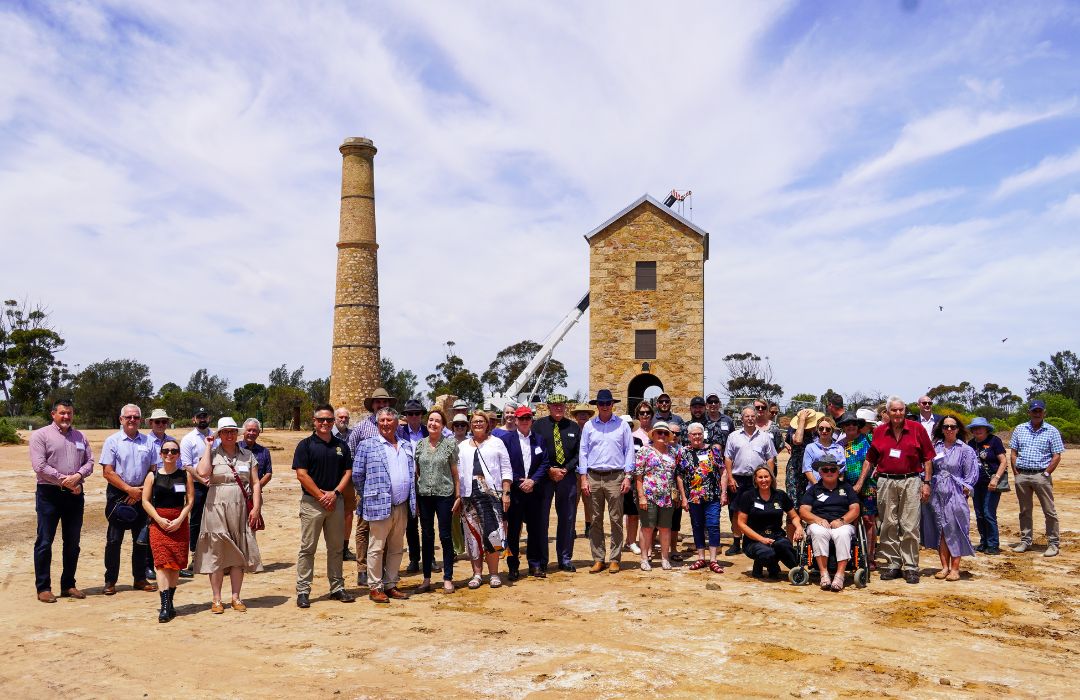
If you wander through the streets of Burra or Moonta, it’s hard not to feel the past alive around you. The copper mines that powered South Australia in the 1840s left more than tunnels and machinery - they left a story of innovation, resilience, and community that’s now reaching for the world stage.
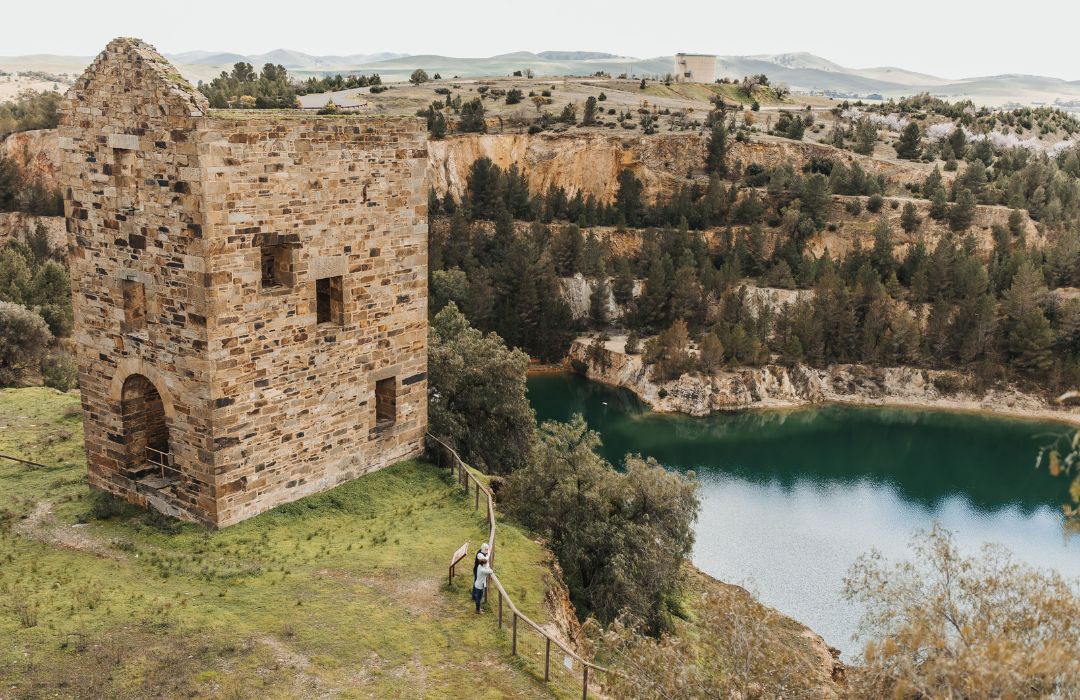
The Australian Cornish Mining Sites: Burra and Moonta cover two historic copper mining landscapes within the Burra and Moonta Mines National Heritage Areas. These sites mark the first transfer of Cornish mining technology to South Australia in the 1840s, shaping communities and industry in ways that are still visible today.
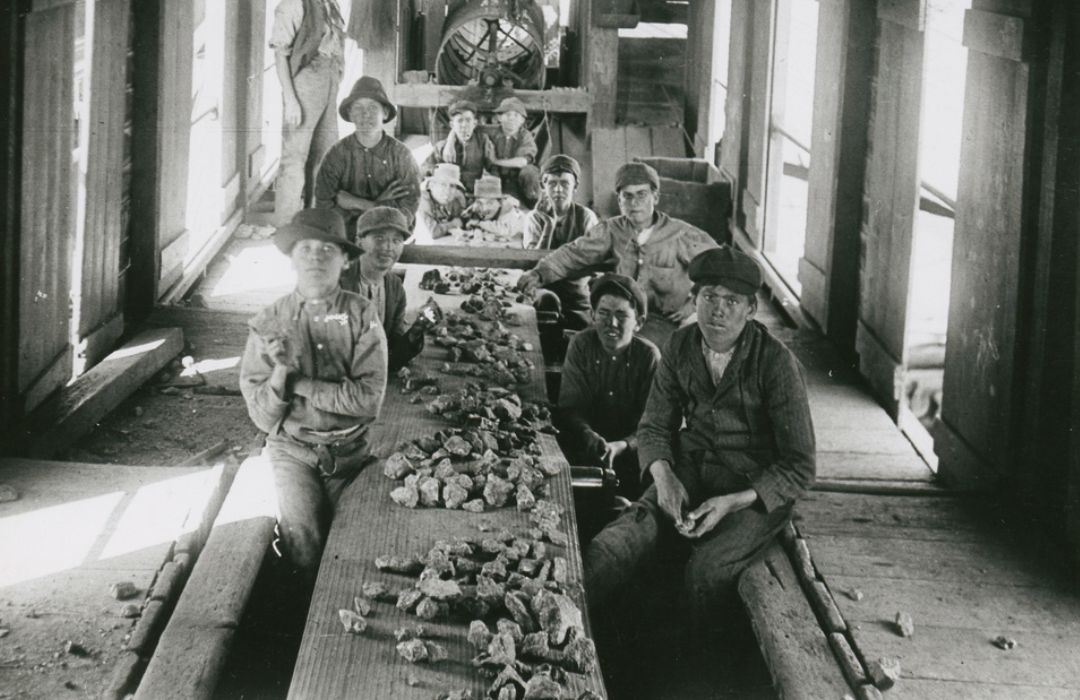
Recognised on the National Heritage List in 2017, they now have their sights set on UNESCO World Heritage status.
In 2023, a unique collaboration was born. The Regional Council of Goyder, National Trust SA, and Copper Coast Council formed a Consortium, joining forces with private landowners, heritage experts, and local communities to craft a bid that goes beyond bricks and copper - it’s about people, culture, and truth-telling.
“This is a once-in-a-generation opportunity,” Copper Coast Council Mayor and Chair of the Consortium Roslyn Talbot said.
“The Cornish mining story is one of resilience, innovation and community. Its legacy lives on today through our magnificent sites… and who can walk past a Cornish Pasty!”
What sets this bid apart is its genuine partnership with the Ngadjuri Nation Aboriginal Corporation and Narungga Nation Aboriginal Corporation.
Together, they co-designed the “Statement of Outstanding Universal Value,” - a core requirement of the UNESCO process, embedding Free, Prior and Informed Consent and truth telling into the project’s governance framework, and moving beyond consultation to genuine shared authorship.
International expertise is also on board. Barry Gamble, a UK World Heritage consultant who helped secure recognition for the Cornwall and West Devon Mining Landscape, described Burra and Moonta as “truly special.”
“It tells the story of how the Cornish diaspora spread across the globe through innovation. You see it in the towns, the technology, the culture - it’s all alive today.”
The bid isn’t just about history, it’s about the future and boosting the visitor economy for the Mid North region and South Australia more broadly.
Remarkably, the Consortium has entirely self-funded the project so far, proving that smart collaboration and skilled teams can achieve extraordinary results on a shoestring.
2025 has already been a landmark year: the Preliminary Assessment Request was formally handed to UNESCO in Paris, supported by both Commonwealth and State Governments.
Meanwhile, Burra is gearing up to host the 50th anniversary of the Australian International Council on Monuments and Sites, celebrating its role as the birthplace of the Burra Charter in 1979 - a document that shaped heritage conservation practice across Australia and the world.
Looking ahead, 2028 is set to be a pivotal year – with the Australian Cornish Mining Sites likely to be the nomination chosen to be put forward by Australia to UNESCO for full World Heritage consideration.
World Heritage listing would place Burra and Moonta alongside iconic Australian sites such as the Great Barrier Reef and the Sydney Opera House, bringing global recognition to their rich cultural landscapes, fostering community pride and unlocking new opportunities in tourism and international engagement.
With the Flinders Ranges also under consideration, South Australia is set to shine on the global heritage map - and it all started with copper, Cornish ingenuity, and a spirit of collaboration that crosses Council boundaries.