Big changes are coming to Victa Cinema
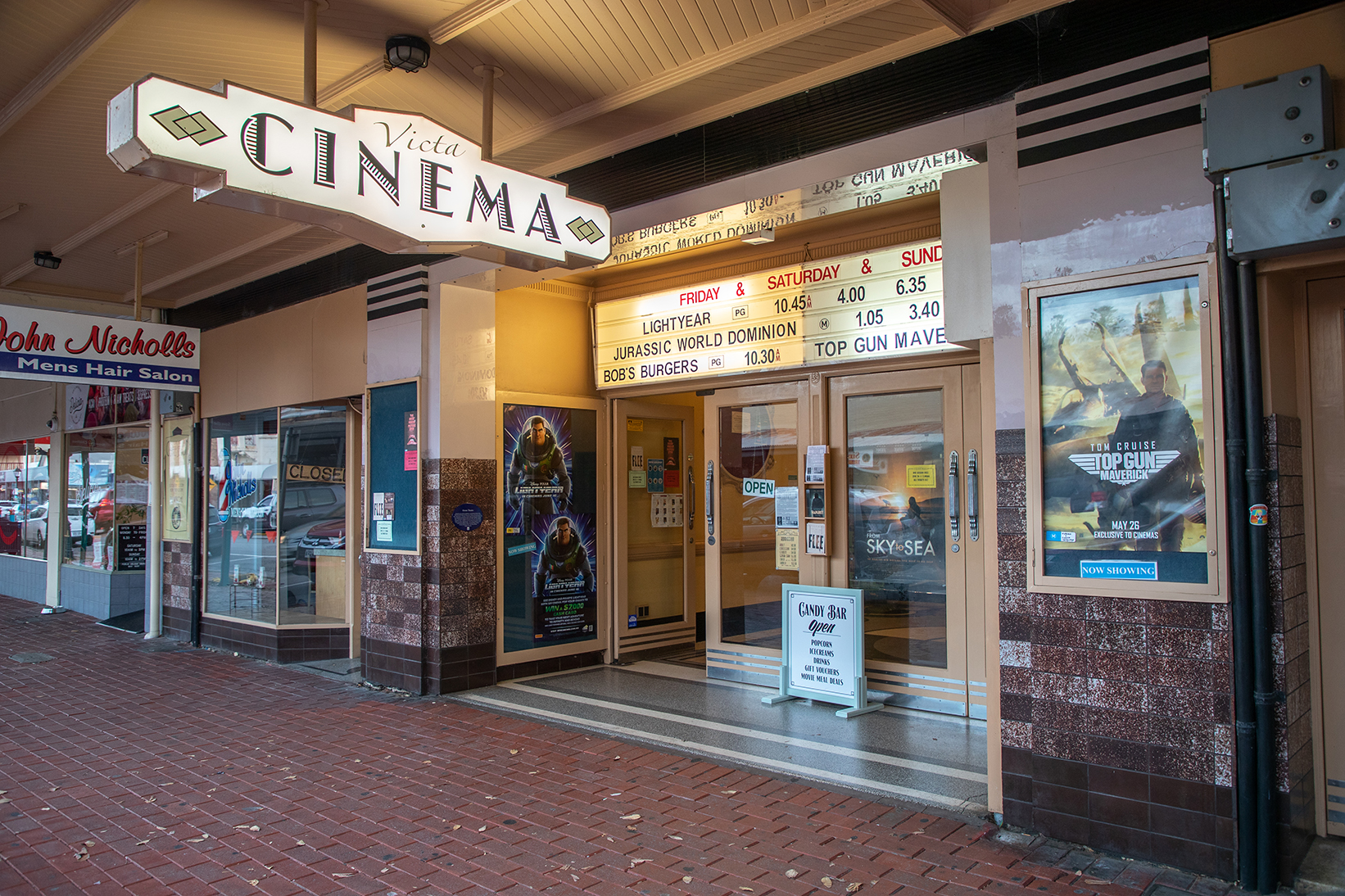
The City of Victor Harbor will soon be turning the beautiful, art deco building into a leading Arts and Culture Centre for the Southern Fleurieu.
Council first purchased the historic site from Country Arts SA in 2020 but were happy for the former owners to continue managing the site for the next five years.
During this time, Victa Cinema:
- Sold 200,150 tickets
- Screened 650 films
- Provided 45,000 buckets of popcorn and 30,000 choc tops!

While movies will continue to be the main focus, the City of Victor Harbor will expand its offerings for more events and year-round cultural activities for the community.
“Victa Cinema is one of few remaining heritage cinemas still operating in South Australia. This step is part of our long-term strategy to ensure it remains a living part of our community – supporting local jobs, creative partnerships and year-round cultural activity,” Chief Executive Officer, Victoria MacKirdy said.
The next stage of the project involves drafting concept plans to expand the cinema with two neighbouring businesses.
A HISTORY OF VICTA CINEMA
1923: Designed by South Australian architect Christopher Arthur Smith, the Victor Theatre opened its doors to the public to cater for the growing demand of ‘movies’. The first screened film was called ‘The Bohemian Girl’.

1928: Following a change of management, the site was refurbished and renamed Ozone Theatre offering an increased seating capacity of 1000 people from 650.
1934: A major fire caused $3000 damage ($300,000 in today’s terms) and destroyed much of the building. The owners managed to rebuild the theatre within the year with a new look – art deco.

1951: Hoyts purchased the site, but within a few years and with the advent of television, patron numbers started to dwindle, forcing management to stop screening films on Mondays and Tuesdays.
From 1970 to today: There were several changes of ownership, more refurbishments and upgrades to the screening capabilities – from a standard projector to 3-D
Read more at City of Victor Harbor.