How Burnside is transforming its waste services
When City of Burnside set out to change the way residents use their bins, it couldn’t have imagined the overwhelming buy-in and support it would receive from its local community.
It’s been nearly two years since the council made the bold move to switch some of its red general waste kerbside bin pickup to fortnightly and green Food Organics and Garden Organics (FOGO) collection to weekly as part of a new trial – and the results are speaking for themselves.
Launched in September 2024 in collaboration with regional subsidiary East Waste, the initiative captured around 1,400 homes and businesses, accounting for roughly seven per cent of all properties in the Burnside area.
Since then, the council has – on average – diverted an extra five tonnes of waste from landfill every week, saving around $13,000 annually, from the tiny portion of its total population engaged in the new kerbside collection schedule.
This has translated to a 71 per cent waste diversion rate across the trial area, which sits higher than the statewide target set in the state government’s draft South Australia Waste Strategy 2025-2030 document.
More impressively, despite having the choice to opt-out of the trial, 98 per cent of participants have retained their new bin collection frequency, with many speaking positively about the scheme and playing their part.
City of Burnside Environmental Sustainability Officer Sarah McConaghy-Beasley, who led the project, says the decision to roll the trial out in small phases – rather than one city-wide move – and having a clear communication plan has been crucial to its early success.
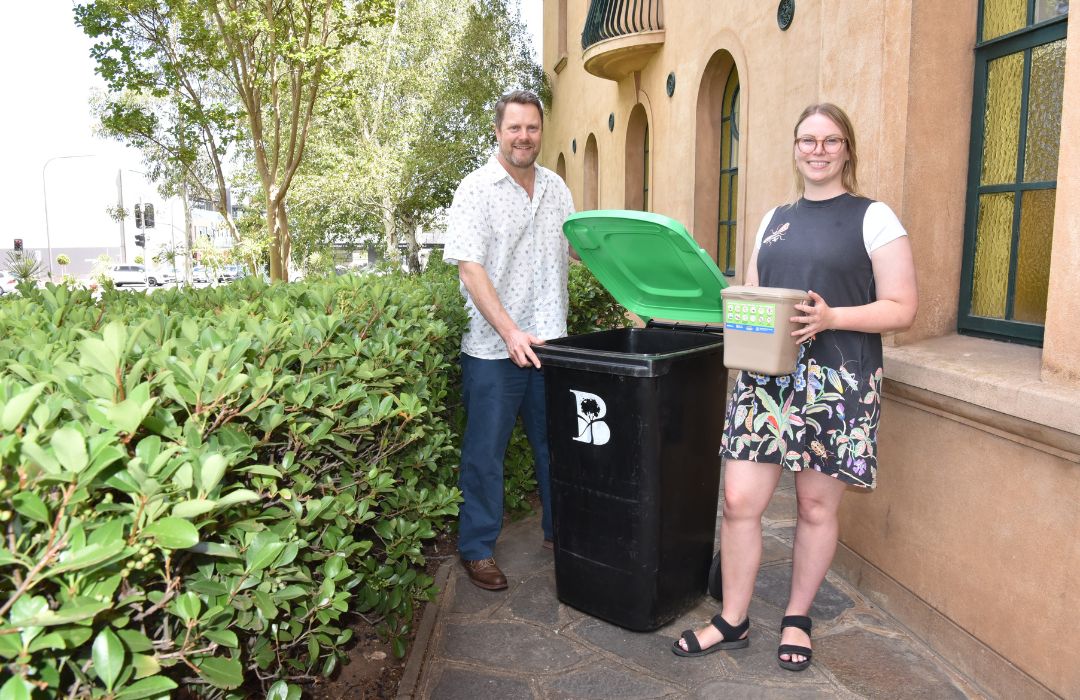
“Before it started, every property in the trial area received letters from the Mayor and CEO, a welcome pack with clear instructions, compostable bags, a green benchtop kitchen caddy, and a collection calendar featuring the new bin timetable,” Sarah says.
“We also placed stickers on bins to help remind residents when the new schedule would begin and let them know which nights to place their red, yellow and green bins on the kerb for collection.
“There has been a deliberate approach to directly communicate with our residents as well and answer any questions they may have about the changes, within council’s resourcing.
“Having these conversations has made a huge difference and any concerns have quickly been allayed, with the response being overwhelmingly positive once people realise why we’re doing the trial and the benefits it would bring.”
Some households with greater general waste needs – such as those with bigger families – have requested a larger-size red bin, which City of Burnside has provided at no cost.
Similarly, the council has worked with local businesses involved in the trial to ensure their needs are being met.
“Before we launched, we engaged directly with our local business community because we knew cafes and restaurants required different solutions, compared to regular households, for the amount of food waste they create,” Sarah says.
“This really helped us understand how we could tailor the trial to provide the right practical support for our businesses, and they really got on board as a result.”
Burnside is one of several councils across metropolitan Adelaide that have been trialing a weekly green bin and fortnightly red bin collection schedule, including Holdfast Bay, Prospect, Campbelltown and Adelaide Hills.
For Burnside residents living in Beulah Park, the council’s push to divert more waste from landfill through adapting its kerbside collection offerings has been a positive move.
The success of the trial’s first phase has since enabled City of Burnside to add another 4500 properties to the new collection schedule as part of a second stage, starting in late 2025, bringing the total coverage area across the council to 22 per cent.
A third phase, aiming to start in September this year, is also in the pipeline, pending budget approval and endorsement from elected members.
City of Burnside Chief Executive Officer Julia Grant says the long-term goal is to eventually achieve full coverage across the council area, which could deliver annual savings of around $190,000 based on early results.
“It was more than a decade ago when Burnside rolled out its three-bin system, which delivered a major jump in recycling and organics recovery,” Julia says.
“This is the next big change for the council in the waste space.
“It’s really rewarding to be part of an organisation that’s proactively thinking about ways to reduce the amount of waste we send to landfill.
“We’re excited and encouraged by the results of the trial so far, and we’re optimistic this will lead to similar successful outcomes as the trial captures more households and businesses across Burnside in years to come.”